
The Importance of Nofollow Links
What Are Nofollow Links in SEO?
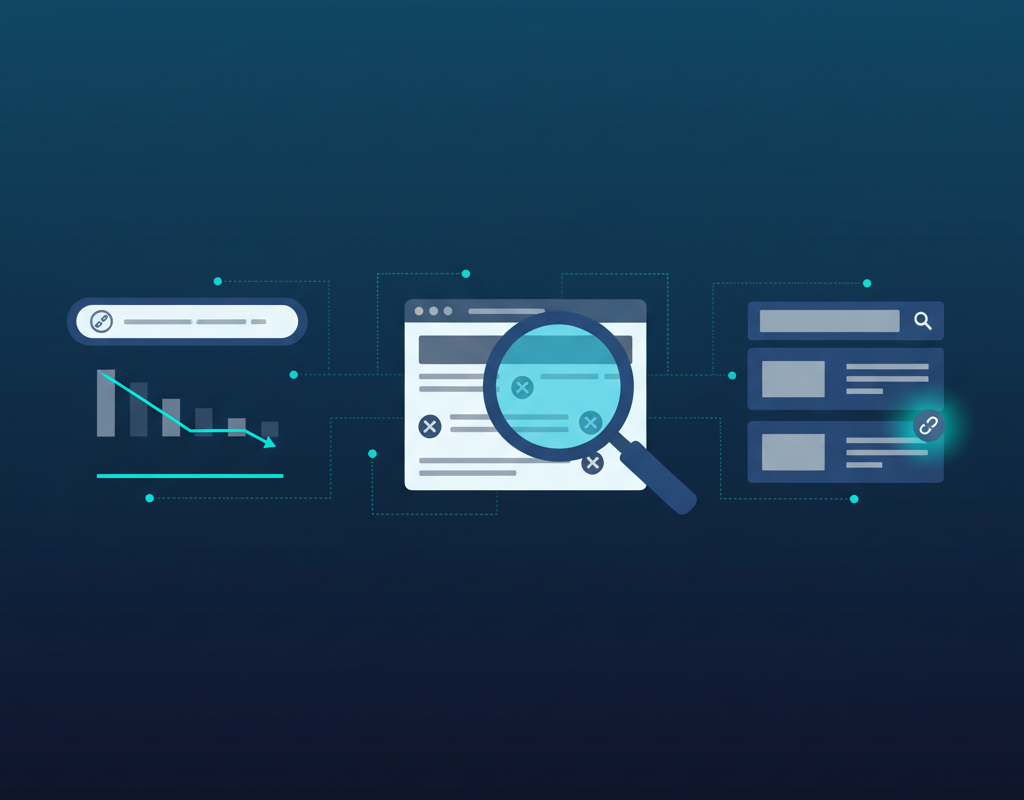
A nofollow link is an HTML-tagged hyperlink that instructs search engines not to pass link equity (also known as “link juice”) to the destination URL. Unlike follow links, which directly contribute to a site’s search engine rankings, nofollow links carry a rel="nofollow" attribute that prevents the transfer of ranking value. Despite this distinction, nofollow links remain a valuable component of any comprehensive SEO strategy.
Nofollow links are not worthless — they are simply a different type of backlink that contributes to brand visibility, referral traffic, and a natural link profile. Understanding how nofollow links work alongside follow links is essential for effective link building.
How Nofollow Links Differ from Follow Links
The core difference between nofollow links and follow links lies in how search engines treat them. Follow links pass ranking signals from one site to another, directly boosting the linked page’s authority. Nofollow links, by contrast, do not transfer this link equity.
| Feature | Follow Links | Nofollow Links |
|---|---|---|
| Passes link equity | Yes | No |
| Directly boosts rankings | Yes | No |
| Drives referral traffic | Yes | Yes |
| Recognised by Google | Yes | Yes (as a “hint” since 2019) |
| Contributes to natural link profile | Yes | Yes |
| Common sources | Editorial mentions, guest posts | Social media, blog comments, forums |
A helpful way to conceptualise nofollow links is to think of backlinks as points. Follow links award points that add to your site’s authority score, while nofollow links register as zero points — yet Google still counts and observes them.
Why Nofollow Links Still Have SEO Value
Nofollow links still hold SEO value because Google recognises both link types, tracking how many backlinks a page has and where they originate. According to Google’s Webmaster Guidelines, the nofollow tag was originally introduced to combat spam — preventing low-quality sites from artificially inflating their rankings by pushing genuine, high-quality pages out of search results.
When Google notices a large volume of sites linking to a particular page — whether through follow or nofollow links — it recognises that page as a credible resource. According to a 2020 study by Ahrefs, pages ranking in the top 10 of Google results have a mix of both follow and nofollow backlinks, reinforcing the importance of a diverse link profile.
Key reasons nofollow links provide SEO value:
- They signal to Google that real people find your content worth referencing
- They generate genuine referral traffic from relevant audiences
- They contribute to brand awareness and online reputation
- They create opportunities for future follow links when other publishers discover your content
How Nofollow Links Lead to Follow Links
Nofollow links frequently serve as a pathway to earning follow links. When a nofollow link to your site appears on a high-traffic page, visitors who find your content useful may decide to link back to it from their own websites. That subsequent link may carry full follow status, directly passing SEO value.
This organic chain of discovery works as follows:
- A nofollow link to your content appears on a relevant, high-authority site
- A reader or publisher discovers your page through that link
- They recognise the content as valuable and link to it from their own site
- That new backlink becomes a follow link, passing ranking signals to your page
Google rewards this natural pattern of link acquisition because it reflects genuine editorial endorsement rather than manipulative link schemes.
Building a Healthy Nofollow and Follow Link Profile
The goal for any brand is to maintain a balanced ratio of follow and nofollow links to build a credible backlink profile. A profile consisting entirely of follow links can appear suspicious to search engines, potentially triggering algorithmic penalties. Nofollow links reduce that suspicion and support the flow of genuine traffic to your website.
Best practices for building a strong link profile:
- Prioritise nofollow links from high-quality sites with a relevant audience and high volumes of genuine traffic
- Focus on creating content worth linking to — this naturally attracts both link types
- Use nofollow links to build your brand’s reputation and authority online
- Monitor your backlink profile regularly to ensure a natural distribution
Nofollow links exist to work for your SEO strategy, not against it. Embracing their purpose alongside targeted follow link acquisition creates a resilient, penalty-resistant backlink profile that supports long-term organic growth.
Frequently Asked Questions About Nofollow Links
Do Nofollow Links Help SEO Rankings?
Nofollow links do not directly pass link equity or boost rankings in the way follow links do. However, they contribute indirectly by driving referral traffic, increasing brand visibility, and creating opportunities for others to discover and provide follow links to your content. Since 2019, Google treats the nofollow attribute as a “hint” rather than a strict directive, meaning it may choose to crawl or index nofollow links in certain cases.
Why Did Google Create the Nofollow Tag?
Google introduced the nofollow HTML tag to combat spam. Before its creation, low-quality and spam sites could manipulate search rankings by generating large numbers of backlinks — such as through blog comment spam — to push genuine, high-quality sites out of search results. The nofollow tag allowed webmasters and platforms to link without passing ranking value to unverified or untrusted destinations.
What Is the Ideal Ratio of Follow to Nofollow Links?
There is no fixed ideal ratio, but a natural backlink profile typically contains a mix of both follow and nofollow links. A profile with exclusively follow links can appear manipulative to search engines. Most healthy websites have roughly 60-80% follow links and 20-40% nofollow links, though this varies by industry and site type.
Should I Pursue Nofollow Links in My Link Building Strategy?
Yes. Nofollow links from authoritative, high-traffic websites drive genuine referral traffic, build brand awareness, and contribute to a natural-looking backlink profile. They also serve as a discovery mechanism — content found through nofollow links often earns follow links from new publishers who find it valuable.
Ready to grow your brand?
Take the first step towards improving your digital presence.
Get a Free AuditLatest SEO Articles
4 SEO Strategies to Instantly Improve Your Content Marketing
4 SEO Strategies to Instantly Improve Your Content Marketing SEO strategies are techniques used to increase a website’s visibility in search engine results and drive more organic traffic to your…
Top 15 Tips to Increasing Your On-Site Conversion Rates
Top 15 Tips to Increasing Your On-Site Conversion Rates On-site conversion rate optimisation is the process of improving your website so that a higher percentage of visitors take a desired…

10 Simple Ways to Improve Your Ecommerce Site’s Performance
10 Simple Ways to Improve Your Ecommerce Site’s Performance Ecommerce site performance is the measure of how fast, usable, and conversion-ready your online store is across all devices.