
The Rise of Digital Avatars in Social Media Marketing
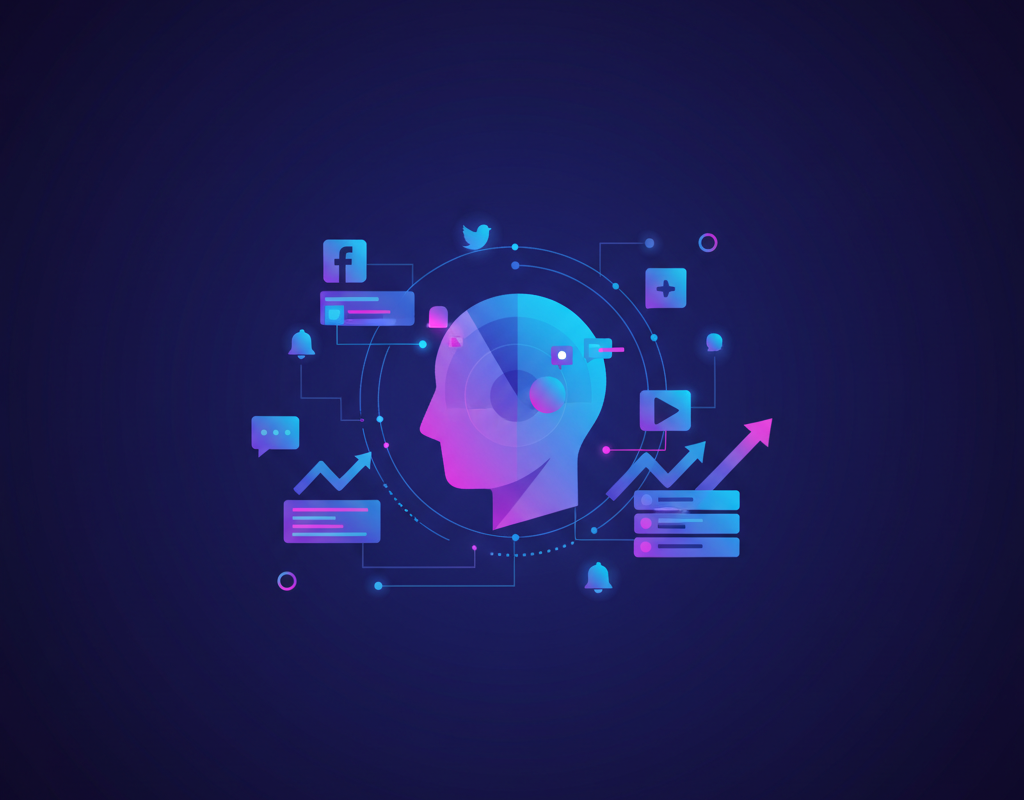
Digital avatars in social media marketing are virtual personas — ranging from stylised characters to hyper-realistic 3D models — that brands use to build identity, drive engagement, and create immersive audience experiences. Digital avatars are not a passing trend; they are reshaping how companies communicate online. As platforms evolve, avatars offer a consistent, cross-channel presence that static logos and images cannot match.
Digital avatars are a powerful branding tool. Digital avatars are not just visual novelties — they are strategic assets that can differentiate a brand in a crowded social media landscape.
What Are Digital Avatars in Social Media Marketing?
Digital avatars in social media marketing are virtual representations of individuals, characters, or brand personas deployed across digital platforms to interact with audiences. They range from simple cartoon images to complex real-time 3D models used in social media interactions, virtual events, and brand representation. Unlike a static logo, a digital avatar can move, respond, and evolve alongside a brand’s story.
| Avatar Type | Description | Common Use Case |
|---|---|---|
| Virtual Influencer | Computer-generated character with a defined personality | Product promotion, campaign hosting, live events |
| Customer Service Avatar | Interactive digital agent representing a brand | Query handling, product recommendations, user guidance |
| Brand Mascot Avatar | Stylised character embodying brand values | Brand storytelling, social content, audience engagement |
| AR/VR Avatar | Immersive 3D avatar in augmented or virtual environments | Virtual product launches, interactive brand events |
Why Are Digital Avatars Growing in Popularity?
Digital avatars in social media marketing have surged in adoption due to three interconnected forces: the demand for personalisation, the need for higher engagement, and the value of cross-platform consistency.
- Personalisation and Brand Identity — Digital avatars give brands a dynamic, evolving identity rather than a static image. They build a stronger emotional connection with audiences because they can adapt tone, appearance, and behaviour to match context.
- Enhanced Engagement — Animated characters, virtual influencers, and interactive avatar experiences capture attention and encourage participation in ways that standard image posts cannot. Higher engagement rates follow from content that audiences can interact with.
- Cross-Platform Presence — A well-designed digital avatar transitions seamlessly across Instagram, TikTok, YouTube, and virtual environments, keeping a brand recognisable wherever its audience gathers.
For more on leveraging avatars for engaging content, see Creating High-Impact Social Media Ads.
How Brands Are Using Digital Avatars in Social Media Marketing
Digital avatars in social media marketing are applied across three primary use cases, each offering distinct strategic value.
1. Virtual Influencers
Virtual influencers are computer-generated characters designed to interact with audiences in a human-like manner. Brands collaborate with virtual influencers to promote products and engage with followers. These avatars can participate in campaigns, host live events, and produce content — all while embodying a brand’s values and personality.
2. Interactive Customer Service
Digital avatars in customer service provide a more engaging and personalised experience than text-based chatbots. They assist with answering queries, providing product recommendations, and guiding users through processes, fostering a more engaging brand relationship.
3. Immersive AR and VR Experiences
Avatars deployed in augmented and virtual reality environments create immersive brand experiences — from virtual product launches to interactive brand events. These experiences connect with audiences in memorable, high-impact ways. According to influencer marketing research covered in Top Influencer Marketing Trends to Watch, immersive avatar-led experiences are among the most rapidly growing formats in digital marketing.
Key Benefits of Digital Avatars for Social Media Marketing
Digital avatars in social media marketing deliver measurable advantages across engagement, differentiation, and adaptability. The benefits below reflect consistent outcomes reported by brands using avatar strategies.
- Increased Engagement and Reach — Avatars offer interactive, visually dynamic content that attracts attention and encourages audience interaction, leading to higher reach and visibility compared with static creative.
- Brand Differentiation — In a crowded digital landscape, a well-designed avatar becomes a memorable brand symbol. According to insights from Creating High-Impact Social Media Ads, distinctive visual identities are a leading driver of ad recall and brand recognition.
- Adaptability and Innovation — Digital avatars can be customised to align with evolving trends and audience preferences, ensuring brands remain relevant without requiring a full identity overhaul.
- Consistent Cross-Channel Identity — A single avatar persona maintains brand coherence across every platform, reducing the fragmentation that often weakens multi-channel marketing.
Digital Avatars in Social Media Marketing: What They Are and Are Not
To set realistic expectations, it is worth stating clearly what digital avatars in social media marketing are — and are not.
- Digital avatars are strategic brand assets that can evolve, interact, and operate across multiple platforms simultaneously.
- Digital avatars are not a replacement for authentic human connection — they are most effective when they complement, rather than replace, human-led content and community management.
- Virtual influencer avatars are not bound by the scheduling, travel, or reputational risks that affect human influencers, making them a predictable content production resource.
- Digital avatars are not solely a large-brand tool — smaller brands can deploy simple avatar characters to build recognisable social identities at a fraction of traditional production costs.
Frequently Asked Questions About Digital Avatars in Social Media Marketing
What is a digital avatar in social media marketing?
A digital avatar in social media marketing is a virtual persona — ranging from a stylised 2D character to a hyper-realistic 3D model — used by brands to represent themselves, interact with audiences, and deliver content across social platforms and digital environments.
How do virtual influencers differ from human influencers?
Virtual influencers are entirely computer-generated characters with no physical existence. Unlike human influencers, they can be fully controlled by a brand, are not subject to personal controversy, and can appear simultaneously across multiple campaigns or platforms without scheduling constraints.
Which social media platforms support digital avatar marketing?
Digital avatars are used across Instagram, TikTok, YouTube, X (formerly Twitter), and within AR/VR environments such as Meta Horizon and branded virtual events. Most major platforms now support the video, animation, and interactive formats that make avatars effective.
What are the main benefits of using digital avatars for brand marketing?
The primary benefits include higher engagement rates through interactive content, stronger brand differentiation in crowded feeds, cross-platform consistency, and the flexibility to adapt the avatar’s appearance and tone as trends evolve — all without the constraints that apply to human-led content.
How can a brand get started with digital avatars in social media marketing?
A brand can start by defining the avatar’s purpose (e.g. virtual influencer, customer service agent, or mascot), establishing a visual style that aligns with brand identity, and piloting the avatar on one platform before scaling. Working with a specialist social media agency can accelerate both the design and deployment process. Contact Bark Social to find out how to build and implement an avatar strategy that delivers results.
Ready to grow your brand?
Take the first step towards improving your digital presence.
Build Your Campaign TodayLatest Influencer Marketing Articles

The Seven Step Pathway to Video Virality
Relatability and Relevancy Popular events such as big football matches or live festivals constantly generate copious amounts of trending topics …
You What? YouTube Optimisation Explained
Keywords First things first – find all the brands you classify as competitors. While you probably have an idea of …
The Rise and Rise of Amazon Advertising
Essentially, Amazon works similarly to Google AdWords and has become a search engine that has been capitalising on the advertising …