
TRIPLE H: Where Do Hero, Hub and Hygiene Content Sit Within the Consumer Cycle?
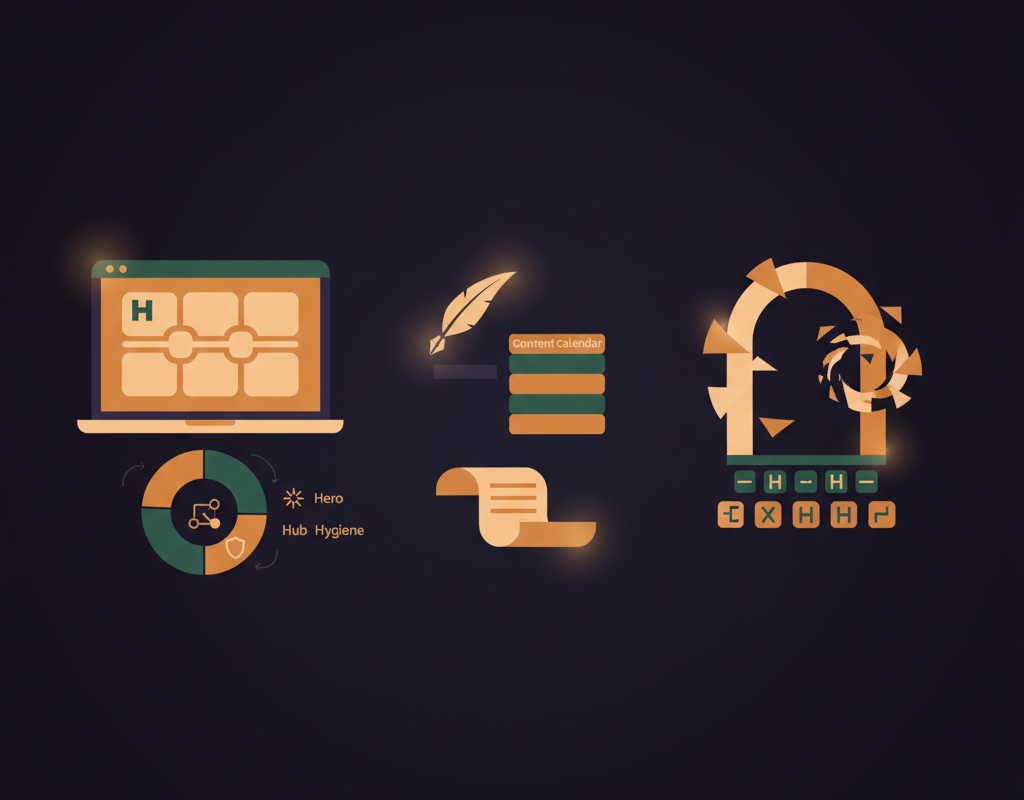
Hero, hub and hygiene content strategy is a YouTube-originated framework that divides video content into three distinct types based on audience intent and viewing behaviour. Developed by YouTube and rolled out in 2014, the strategy helps brands understand where their content sits within the consumer cycle, and how to plan, publish and grow a loyal audience across all three stages.
What Is the Hero Hub Hygiene Content Strategy?
The hero, hub and hygiene content strategy is a video content framework rolled out by YouTube in 2014. It categorises content by audience intent: hero targets browsers seeking inspiration, hub serves searchers looking for relevant material, and hygiene captures subscribers seeking regular, scheduled content.
The three tiers work in a cyclical manner for consumers. Understanding this cycle is central to building an effective YouTube content strategy for your brand.
| Content Type | Audience Intent | Viewing Pattern | Primary Goal |
|---|---|---|---|
| Hero | Browse & seek inspiration | Extreme spikes | Audience growth & subscribers |
| Hub | Search & seek relevant content | Steady engagement | Subscriber retention & return visits |
| Hygiene | Subscribe & seek regular content | Stable, consistent views | Discoverability & ongoing reach |
What Is Hero Content and When Should Brands Use It?
Hero content is your highest-investment, highest-impact content tier, the campaigns designed to produce extreme view spikes and rapid subscriber growth. Hero content is not about what your company does, but why you do it. It showcases brand passion through emotional storytelling and strong narrative.
Hero content is the tier where brands invest the most budget. Hero content is not effective without a clear brand purpose and a compelling emotional narrative.
According to YouTube’s Creator Playbook for Brands, hero content is designed to provide a massive step-change to your audience growth. Effective hero content tactics include:
- Aligning release with cultural events or seasonal moments
- Collaborating with a relevant YouTube influencer
- Enlisting a celebrity to amplify reach
- Researching what audiences will be excited about in the cultural calendar
What Is Hygiene Content and How Does It Drive Discoverability?
Hygiene content is the always-on, searchable content that answers specific questions your audience is already asking. Unlike hero content, hygiene content views remain stable and consistent over time. It exists to be found whenever and wherever someone searches for an answer your brand can provide.
Hygiene content is the foundation of long-term discoverability on YouTube. Hygiene content is not designed for buzz. It is designed to be found.
According to Search Engine Land, “How to…” searches account for over 100 million hours of YouTube views. Brands should consider the overlap between what people search for and what their brand can credibly answer, then build tutorials and informational content around those intersections. Our SEO services cover the technical, content and authority work behind that.
Hygiene content also operates as an important complement to hero content, while hero campaigns create spikes, hygiene content maintains a baseline of views and discovery between those peaks.
What Is Hub Content and How Does It Retain Subscribers?
Hub content is your channel’s regular programming, the scheduled, editorial content that gives subscribers a reason to return. Once users discover your brand through hero or hygiene content, hub content is where they decide whether to subscribe and come back.
According to YouTube’s Creator Playbook for Brands, brands should maintain a consistent visual language across hub content to satisfy and retain subscribers. Best practices for hub content include:
- Establish a clear editorial style and tone of voice
- Publish on a consistent, well-scheduled cadence
- Maintain a consistent visual language across all hub videos
- Give subscribers a recurring reason to return to the channel
How Do Hero, Hub and Hygiene Work Together in the Consumer Cycle?
The hero, hub and hygiene content strategy works cyclically. Consumers move between the three tiers, discovering a brand through hygiene search content, subscribing via hub programming, and experiencing hero campaigns when they launch. The cycle can also operate in reverse: brands often build solid hygiene and hub content first to establish a viewer base before investing heavily in hero content.
Understanding how each tier impacts your content, and when you publish it, will enrich your understanding of consumer behaviour and help attract loyal viewers to your channel. YouTube is the second most popular search engine in the world, making this framework relevant for video strategy and for overall content discoverability.
Frequently Asked Questions
What is the hero hub hygiene content strategy?
Hero, hub and hygiene is a video content strategy developed by YouTube and launched in 2014. It divides content into three tiers based on audience intent: hero content inspires browsers, hub content serves regular subscribers, and hygiene content captures search-driven viewers looking for specific answers.
What is the difference between hero, hub and hygiene content?
Hero content is high-investment, emotionally driven content designed to create large view spikes and grow audiences. Hub content is regularly scheduled programming that retains existing subscribers. Hygiene content is always-on, searchable content that drives ongoing discoverability around topics your audience is already searching for.
How do I know which type of content to create first?
Many brands begin by building hygiene and hub content to establish a stable viewer base and consistent publishing cadence. Once a foundation is in place, hero content can then be deployed to accelerate audience growth with confidence that new viewers will find a channel worth subscribing to.
Is the hero hub hygiene strategy only for YouTube?
The strategy was created by YouTube and is most commonly applied to video content. However, the underlying logic (matching content type to audience intent across browsing, searching and subscribing behaviours) can be applied to broader content marketing strategies across other channels.
How often should hub content be published?
Hub content should be published on a consistent, well-scheduled cadence that gives subscribers a clear reason to return. The exact frequency depends on your resources, but regularity matters more than volume, a predictable publishing schedule builds subscriber habit and loyalty over time.
Ready to grow your brand?
Take the first step towards improving your digital presence.
Build Your CampaignLatest Influencer Marketing Articles

Influencer marketing quick wins for FMCG companies
Invest in TikTok TikTok is currently dominating the social media space. Presently, 87% of influencers agree that TikTok generates the …

Influencer marketing in the FMCG industry: a match made in digital heaven
How does the relationship work? The FMCG industry encompasses products such as food and drink, nutrition, grooming, and personal care. They’re …
TikTok Takeover: Mastering Influencer Marketing
What is Influencer Marketing? Influencer marketing is endorsing your product or service on social media by using a person with …
Terrier runs SEO and GEO for 320+ brands, from £1,250 a month.
Schedule a call