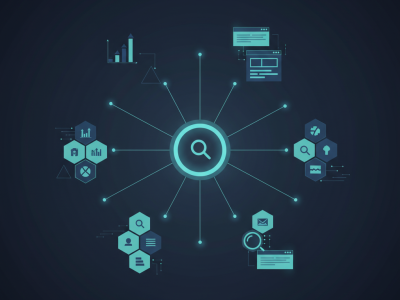
Navigating SEO with Topical Maps: A Complete Guide
A topical map is a structured blueprint for your content strategy that organises a subject and all its related subtopics into a connected, authoritative cluster.

Everything we publish on organic search: technical fixes that unblock crawling and indexing, content that earns rankings rather than filling a calendar, link building that survives an audit, and the local and ecommerce work that turns rankings into revenue. Most of these posts come out of client accounts, so the examples are real campaigns rather than invented scenarios, and the numbers in them are the numbers we published in the matching case study. We write for the person who has to do the work on Monday: what the problem looks like, how to diagnose it, what to change, and how to tell whether the change worked. If you would rather hand the job over than work through it yourself, our SEO services cover the same ground with a team behind it. Posts are dated and bylined, and we go back and correct them when Google changes something underneath us rather than quietly leaving stale advice up. If a tactic has stopped working we say so on the original post.
A topical map is a structured blueprint for your content strategy that organises a subject and all its related subtopics into a connected, authoritative cluster.

Image SEO is the practice of optimizing visual content so search engines can discover, index, and rank your images, directly improving your site’s traffic and user engagement.

SEO analytics is the practice of collecting, analyzing, and interpreting data to understand and improve your website’s performance in search engines.
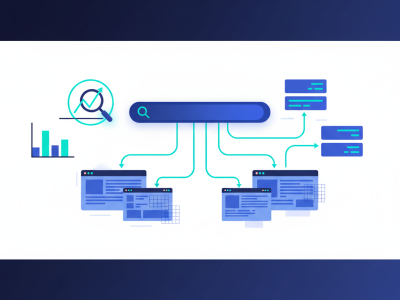
Internal linking is an SEO strategy that connects pages within your website, helping search engines index your content and guiding users through a structured journey.

Mobile-first indexing is Google’s method of using the mobile version of a website as the primary source for indexing and ranking in search results.

Structured data in SEO is a standardized code format that tells search engines exactly what a page’s content means, enabling richer, more relevant search results.

Semantic SEO is the practice of optimizing content so search engines understand the meaning, context, and intent behind queries rather than the exact keywords used.

What Is E-E-A-T in SEO? E-E-A-T is a quality evaluation framework Google uses to assess whether content demonstrates Experience, Expertise, Authoritativeness, and Trustworthiness.

Page speed is the time it takes for a webpage’s content to fully load and become usable to a visitor.

How digital PR combines brand exposure with SEO benefits through earned media coverage and high-quality backlinks.