
Boosting Your SEO Strategy with Internal Linking
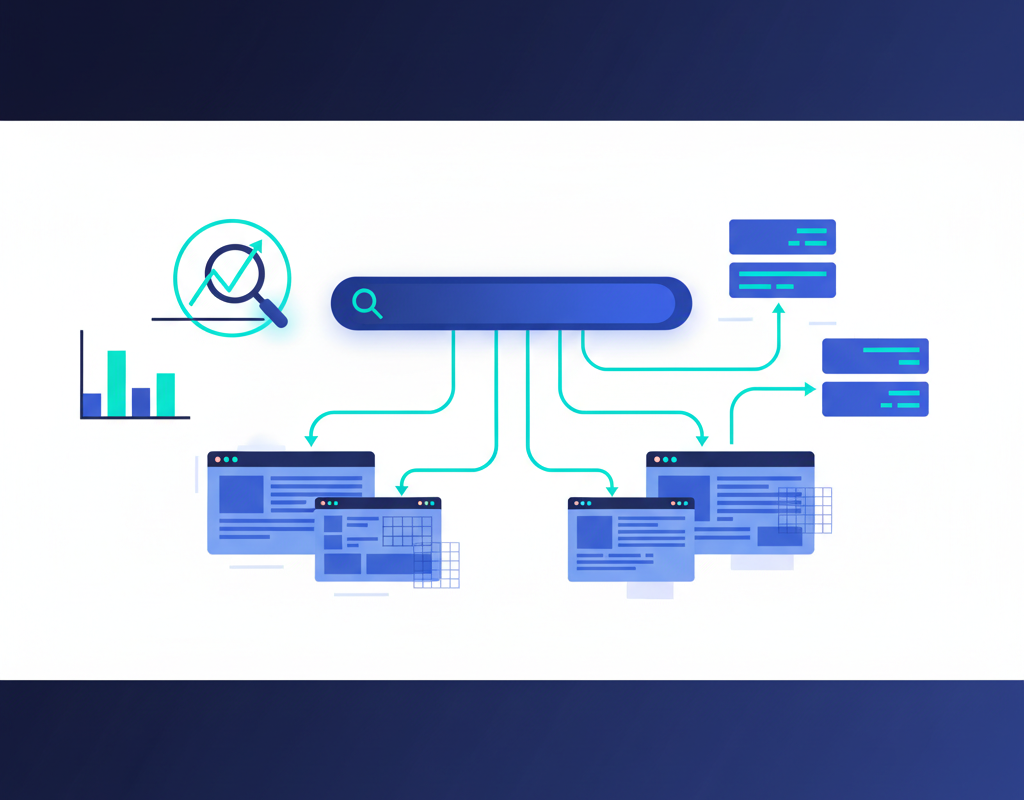
Internal linking is an SEO strategy that connects pages within your website, helping search engines index your content and guiding users through a structured journey. While external backlinks dominate most SEO conversations, internal linking is a foundational tactic that distributes link equity, establishes content hierarchy, and measurably improves dwell time and bounce rate across your site.
What Is Internal Linking in SEO?
Internal linking is the practice of hyperlinking one page of your website to another page on the same domain. According to SEO experts at Terrier Agency, a well-crafted internal linking strategy is key to solidifying your SEO foundation by helping search engines and users navigate your content effortlessly.
Internal linking is the deliberate placement of contextual links within body content to signal topical relationships and page authority to search engines. It goes beyond adding navigation menus.
Internal linking is not a secondary SEO tactic: it is a critical lever that, when executed with precision, can elevate a site’s overall authority and search performance.
Unlike external backlinking, which depends on third-party sites, internal linking is entirely within your control. It creates pathways that allow search engines to deeply understand and index the full breadth of your site’s content.
Why Internal Links Directly Impact Search Rankings
Internal linking directly impacts search rankings by distributing link equity throughout your site and signaling which pages are most important. In a content-saturated digital space, internal links act as your site’s GPS system, guiding both users and search engines through your content.
The SEO benefits of a strong internal linking structure include:
- Improved crawlability, allowing search engines to discover and index more pages
- Increased dwell time as users follow contextual links to related content
- Lower bounce rate from structured content journeys
- Clear content hierarchy that identifies cornerstone pages to search engines
- Distribution of page authority from high-performing pages to supporting content
According to Terrier Agency’s search ranking guidance, a blend of various strategies, with internal linking as a core component, is required to compete effectively in search results.
Internal Linking vs. External Backlinking: Key Differences
| Factor | Internal Linking | External Backlinking |
|---|---|---|
| Control | Fully within your control | Depends on third-party sites |
| Primary benefit | Site structure, crawlability, equity distribution | Domain authority, referral traffic |
| Implementation speed | Immediate | Weeks to months of outreach |
| Cost | No direct cost | Often requires time or budget investment |
| Impact on user experience | Direct: keeps users on your site | Indirect: brings users to your site |
How to Build a Strategic Internal Linking Structure: 5 Best Practices
Internal linking strategy is most effective when applied consistently using a defined set of practices. According to Terrier Agency, these are the core principles for building an internal linking structure that supports both SEO and user experience:
- Contextual Relevance: Place internal links where they feel natural and add value, ensuring they are contextually relevant to the content at hand. A link placed within body copy signals stronger topical relevance than one placed in a footer or sidebar.
- Link Value: Not all links carry equal weight. Links within the main body of a page carry more authority than those placed in navigational elements, footers, or sidebars.
- Navigation Structure: Use your site’s navigation purposefully. Menus and breadcrumbs aid user navigation and also distribute link equity throughout your site.
- Anchor Text: Be deliberate with anchor text to give search engines clear signals about the linked page’s content. Use relevant keywords without over-optimising or repeating identical anchor text across many links.
- Content Hierarchy: Use internal linking to establish a clear content hierarchy, enabling search engines to identify your cornerstone or pillar content and understand how supporting pages relate to it.
How to Use Internal Links to Gain a Competitive SEO Edge
Internal linking does more than improve site navigation. It is a strategic SEO lever for competitive differentiation. By analysing how competitors structure their internal links, you can uncover gaps in their approach and identify opportunities to make your own content architecture more authoritative.
Steps for using internal linking competitively:
- Audit your current internal link structure using a crawl tool to identify orphan pages and under-linked content.
- Identify your highest-authority pages and ensure they link to strategically important supporting pages.
- Review competitor sites to identify content clusters they are building and where their internal linking concentrates.
- Map your own content into topic clusters and link pillar pages to all relevant supporting articles.
- Monitor changes in ranking and crawl frequency after implementing new internal links.
According to Terrier Agency, weaving a web of internal links helps search engines and users navigate your content effortlessly, boosting overall site authority and performance.
Terrier Agency’s Approach to Internal Linking
At Terrier Agency, internal linking is treated as a foundational element of every SEO engagement, not an afterthought. The agency’s approach focuses on building structured content hierarchies that make it straightforward for search engines to identify cornerstone content and for users to find the information they need.
Internal linking is a critical strategy that, when executed with precision, can take a site’s SEO performance to new heights. Connect with Terrier Agency to learn how this expertise can become part of your brand’s success in the digital landscape.
Frequently Asked Questions About Internal Linking for SEO
What is internal linking in SEO?
Internal linking is the practice of creating hyperlinks from one page on your website to another page on the same domain. These links help search engines crawl and index your site, establish content hierarchy, distribute page authority, and improve the user experience by guiding visitors to related content.
How many internal links should a page have?
There is no fixed number, but each page should include enough internal links to connect logically to related content without overwhelming the reader. Focus on contextual relevance: link to pages that genuinely add value for the user reading that specific piece of content. Pillar pages typically carry more internal links than supporting pages.
Does internal linking actually improve search rankings?
Internal linking directly supports search rankings by helping search engines discover pages, understand topical relationships, and determine which pages are most authoritative. Pages with strong internal link profiles are more likely to be crawled frequently and ranked for their target keywords.
What is the difference between internal links and backlinks?
Internal links connect pages within the same website and are fully within your control. Backlinks are links from external websites pointing to your site and require third-party action to acquire. Both types of links influence SEO, but internal linking is actionable immediately and does not require outreach or budget.
What anchor text should I use for internal links?
Anchor text for internal links should be descriptive and include relevant keywords that accurately reflect the content of the destination page. Avoid generic phrases like “click here” or “read more.” Use varied but topically relevant anchor text across multiple links pointing to the same page to avoid over-optimisation signals.
Ready to grow your brand?
Take the first step towards improving your digital presence.
Get a Free AuditLatest SEO Articles
Keep Your Enemies Close: How to Conduct SEO Competitor Analysis
What Is SEO Competitor Analysis? SEO competitor analysis is the process of analysing the links, keywords, content, and scope of your competitors in order to integrate their best practices into…
Unveiling Tomorrow’s SEO: Trends and Insights for the Future
SEO Trends and Insights for the Future SEO trends are reshaping how modern companies attract and retain online audiences.
Grey Area: Voice Recognition Marketing
Voice Recognition Marketing: What Brands Need to Know Voice recognition marketing is the practice of adapting SEO strategy and content to the conversational, question-based queries that users make through voice…
Terrier runs SEO and GEO for 320+ brands, from £1,250 a month.
Schedule a call