
The Complete Guide to Link Building
Link building strategies that work: prospecting, content marketing, and digital PR outreach for sustainable SEO results.

Everything we publish on organic search: technical fixes that unblock crawling and indexing, content that earns rankings rather than filling a calendar, link building that survives an audit, and the local and ecommerce work that turns rankings into revenue. Most of these posts come out of client accounts, so the examples are real campaigns rather than invented scenarios, and the numbers in them are the numbers we published in the matching case study. We write for the person who has to do the work on Monday: what the problem looks like, how to diagnose it, what to change, and how to tell whether the change worked. If you would rather hand the job over than work through it yourself, our SEO services cover the same ground with a team behind it. Posts are dated and bylined, and we go back and correct them when Google changes something underneath us rather than quietly leaving stale advice up. If a tactic has stopped working we say so on the original post.
Link building strategies that work: prospecting, content marketing, and digital PR outreach for sustainable SEO results.

AI is transforming SEO. Learn seven ways artificial intelligence is changing keyword research, content optimisation, and technical audits.
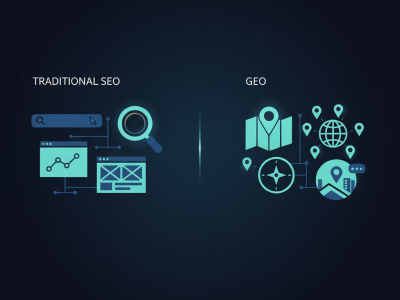
The search landscape is evolving. Understanding both traditional SEO and Generative Engine Optimisation (GEO) is crucial for modern digital marketing.

SEO is the practice of optimizing your website so that search engines rank it higher in organic results, driving more qualified traffic without paid advertising.

Webmaster Tools Checklist A webmaster tools checklist is a structured set of tasks you perform inside Google Search Console to ensure your website is correctly indexed, free of errors, and…