The Challenge
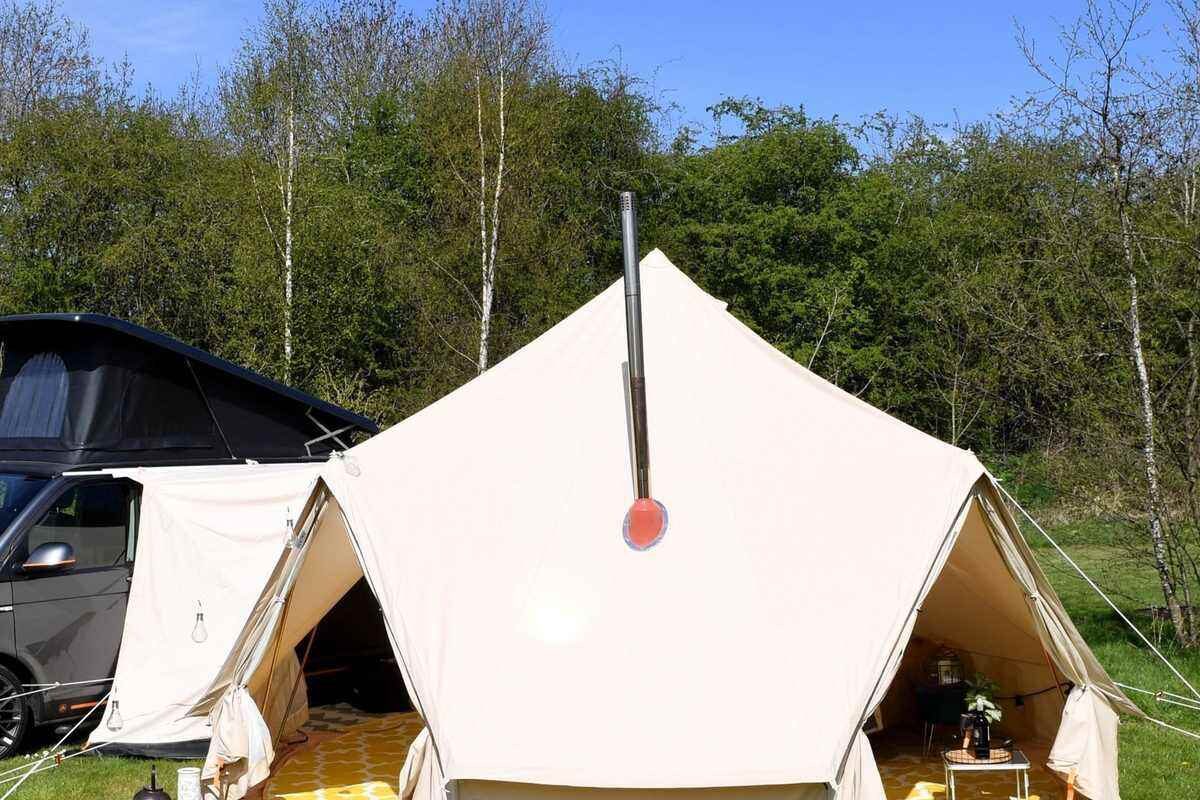
Glawning makes glamping tents and awnings for camper vans. A camping product sells on how it looks set up and how easily it goes up. Both need showing over time and in real conditions, which a studio image cannot do.
Our Approach
We ran a sustained campaign with camping and van-life creators using the product on real trips.
- 107 pieces of content were produced across a long campaign period
- Creators were selected from camping, van life and outdoor travel content
- Briefs asked for setup and real trip use rather than static product shots
- Content was approved against brand guidelines before going live
Content produced on actual trips answered the two questions buyers have: how it looks, and how hard it is to put up.
The Results
107 pieces of content reached an audience of 1,520,991 at a 5% engagement rate.
Proving a Setup Works Rather Than Describing It
A tent that looks complicated to pitch loses the sale before the buyer reaches the price. The creator brief for Glawning was written around that single risk: every piece of content had to show the awning going up in real time and outdoors, not folded flat on a driveway. Terrier’s standard vetting still applied (creators were checked for genuine camping and van-life audiences before outreach, and usage terms were agreed before the first trip) but the brief itself was built to answer the setup question rather than simply showcase the product.
Reading the Reach Figure for a Niche Product
1,520,991 in reach from 107 pieces of content is not a sales figure for a specialised camping accessory. It is a measure of how many people outside Glawning’s existing customer base saw the product actually being used. The 5% engagement rate shows that reach translated into people stopping to watch a setup rather than scrolling past, which is the one thing a studio product photo could never prove.